Skip to content
    • About
    • Coming Soon
    • Contact

Home Biodiesel Kits | Waste-to-Energy & Sustainable Fuel Systems

  • Future trends in sludge volume reduction and management

    July 8th, 2026

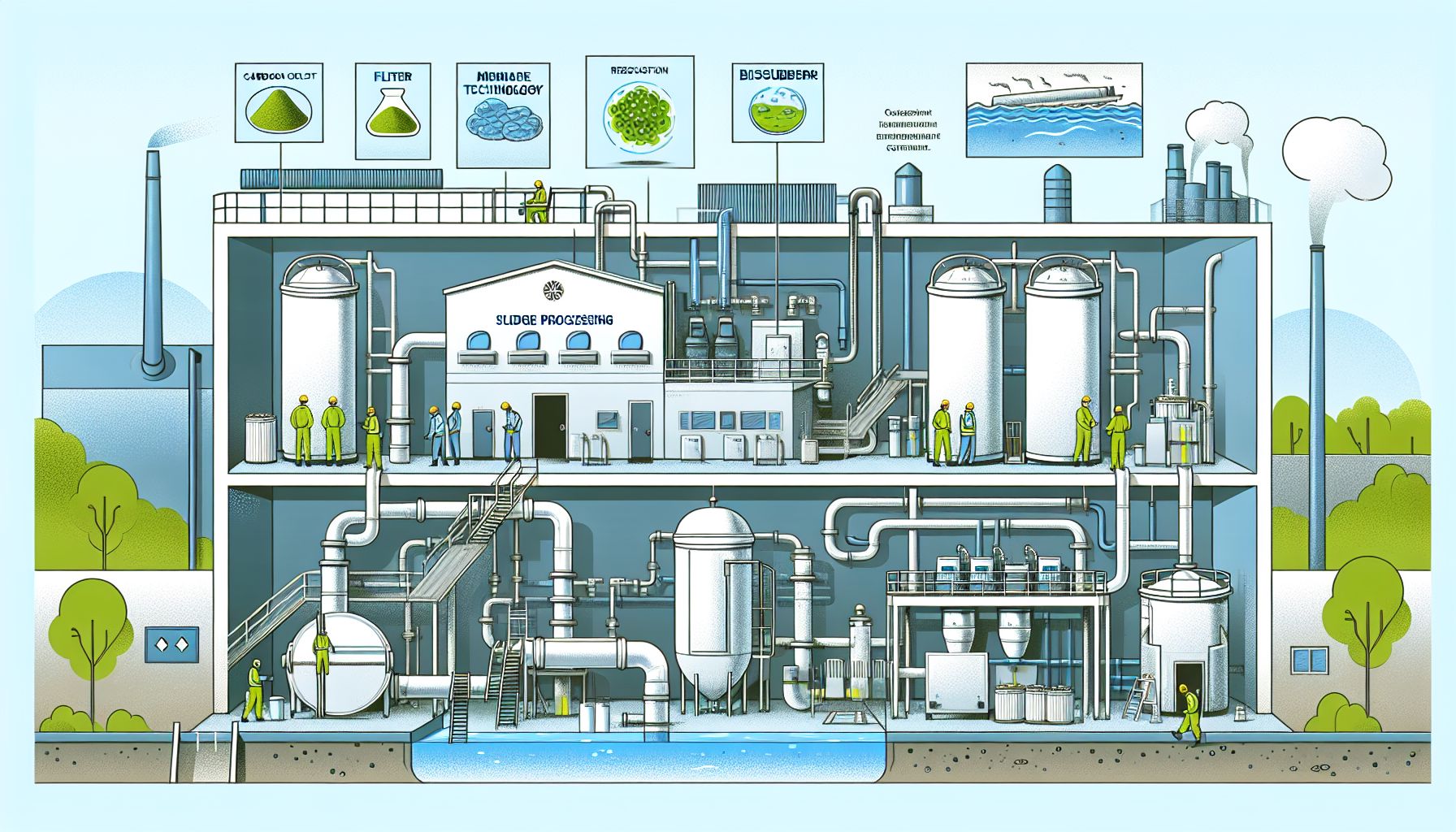
    Sludge volume reduction and management remain critical challenges in water and wastewater treatment. Managing the solid waste generated during these processes affects operational costs, environmental safety, and regulatory compliance. This article explores current and future trends in sludge reduction and management methods, focusing on practical solutions, operational considerations, and their potential impacts.

    Understanding Sludge Generation and Its Challenges

    Sludge is a byproduct of wastewater and industrial treatment. It consists of organic and inorganic materials suspended or settled during various treatment stages. High volumes of sludge can increase disposal costs and environmental risks, especially if the sludge contains harmful contaminants.

    Reducing sludge volume has several benefits. It lowers transportation and disposal expenses, decreases the footprint of treatment facilities, and reduces environmental hazards. However, sludge treatment must balance volume reduction with maintaining sludge stability and minimizing odors or pathogen risk.

    Emerging Technologies for Sludge Volume Reduction

    Several technologies show promise in reducing sludge volume more effectively than traditional methods. These technologies focus on breaking down sludge solids or improving dewatering processes.

    1. Advanced Digestion Techniques

    Anaerobic digestion is widely used to reduce sludge volume by breaking down organic matter in the absence of oxygen. New approaches, such as thermophilic digestion (operating at higher temperatures), can enhance the breakdown rate, reducing sludge volume further than mesophilic digestion.

    Another digestion method gaining attention is enzymatic treatment, where enzymes help accelerate organic matter hydrolysis before digestion. Pre-treatment steps like thermal hydrolysis or ultrasonic treatment can also enhance digestion efficiency by making solids more accessible.

    2. Mechanical Dewatering Improvements

    Dewatering reduces sludge water content, shrinking volume and weight. Technologies like centrifuges, belt filter presses, and screw presses are common. Future trends include optimizing these devices with smart sensors and automation to improve performance and reduce energy consumption.

    Recent research is exploring the use of polymer aids that improve solids separation during dewatering. Choosing the right polymers can improve sludge dryness without adding excessive costs or chemicals.

    3. Chemical Conditioning

    Chemical conditioning adds agents like lime, ferric chloride, or polymers to improve sludge handling, reduce odors, and stabilize organic matter. Emerging hybrid conditioning methods combine chemical and mechanical processes to optimize sludge reduction.

    While effective, chemical conditioning requires careful monitoring to avoid increasing the volume of chemical residues, which can complicate sludge disposal.

    Sludge Management Practices

    After volume reduction, managing the leftover sludge involves safe handling, treatment, and disposal or beneficial reuse.

    Land Application

    Many treatment facilities apply stabilized sludge as fertilizer or soil amendments. This approach recycles nutrients and organic matter but requires strict control to prevent pathogen transfer and heavy metal contamination. Regulations on land application vary by region but generally include limits on contaminant levels and application rates.

    Incineration

    Incinerating sludge reduces volume dramatically by converting solids to ash and gases. It requires significant energy and air pollution controls, but it effectively destroys pathogens and organic pollutants.

    The future may see integration of energy recovery systems with incinerators to make the process more sustainable. However, public acceptance and regulatory hurdles remain challenges.

    Landfilling

    Landfill disposal is the last resort due to space use and long-term liability concerns. Many jurisdictions aim to minimize landfill sludge disposal by promoting volume reduction and reuse methods.

    Operational Considerations for Future Adoption

    Implementing new sludge volume reduction or management methods requires evaluating cost, operational complexity, and environmental impact.

    • Cost and Energy Use: Advanced digestion or mechanical improvements often demand higher initial investments and energy. Balancing these increases against savings from lower disposal costs is necessary.

    • Sludge Characteristics: Different sludge types (municipal, industrial, agricultural) respond differently to treatments. Customizing approaches based on sludge composition enhances performance.

    • Regulatory Compliance: Emerging restrictions on contaminants, disposal methods, and emissions can affect which technologies are viable.

    • Equipment Integration: Combining pretreatment, digestion, and dewatering steps must consider how each stage interacts. For example, pre-treatments improving digestion might create challenges for subsequent dewatering.

    • Monitoring and Automation: Integrating sensors and automation facilitates process control and optimization, leading to better sludge volume reduction and lower operational risk.

    Case Study: Thermal Hydrolysis in Large-Scale Plants

    Thermal hydrolysis uses high pressure and temperature to break down sludge cells before digestion. Facilities using this technology have reported up to 40% reduction in sludge volume combined with increased biogas production.

    One example includes the Blue Plains Advanced Wastewater Treatment Plant in Washington, D.C., which uses thermal hydrolysis followed by anaerobic digestion. This approach has improved sludge handling, reduced disposal needs, and enhanced energy recovery.

    This case illustrates how investing in combined technologies can make sludge management more efficient yet requires strong operational expertise.
    Environmental and Health Impacts

    Reducing sludge volume has direct environmental benefits like lower greenhouse gas emissions from transportation and disposal. However, sludge treatment processes themselves can produce emissions or byproducts requiring control.

    Future trends emphasize safer and cleaner processes that minimize air and water pollution. For example, biogas capture from digestion reduces methane emissions, a potent greenhouse gas.

    Continued research into sustainable sludge management supports improvements in air quality, soil health for land application, and reduced public health risks from pathogen exposure.

    Research and Development Directions

    Ongoing research aims to develop methods that improve sludge volume reduction, reduce operational costs, and enhance environmental safety simultaneously. For those interested, the National Academies provide comprehensive waste management research covering sludge treatment innovations, policy, and environmental impacts.

    Additional resources on sludge management can be found through the U.S. Environmental Protection Agency’s wastewater section: https://www.epa.gov/wastewater-sludge.

    The Water Environment Federation (https://www.wef.org/resources/for-the-public/faqs/faq-sludge/) also offers detailed practical resources on sludge treatment and disposal.

    Conclusion

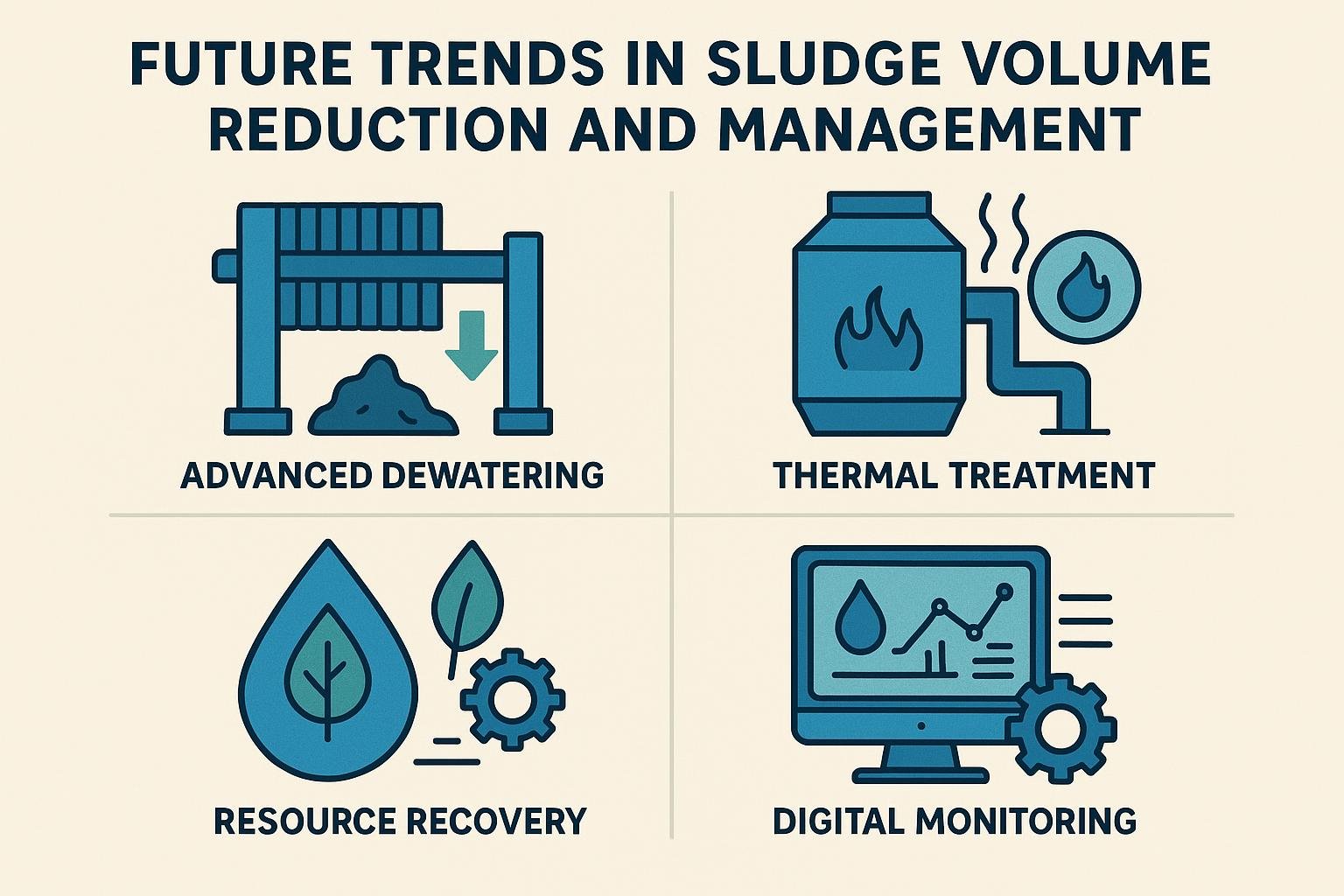
    Future trends in sludge volume reduction and management focus on integrating improved digestion techniques, advanced dewatering, and sustainable disposal or reuse strategies. Operational considerations, environmental impacts, and regulatory frameworks will shape technology adoption.

    Facilities may benefit from combining methods like thermal hydrolysis with anaerobic digestion and optimized dewatering. Monitoring and automation will support efficiency gains and cost control.

    Understanding sludge characteristics and local regulations remains essential for choosing appropriate volume reduction and management methods. Continued research and experience sharing will help the water and wastewater treatment industry manage sludge in safer, cleaner, and more cost-effective ways.
  • What wastewater sludge treatment processes actually include

    May 30th, 2026

    Wastewater sludge treatment is an essential part of wastewater management. It deals with the solids removed from wastewater during primary and secondary treatment. Proper treatment of this sludge reduces its volume and harmful effects, making it safer to handle or dispose of. This article explains what the treatment processes involve, how they work, and what practical challenges operators face.

    What is sludge in wastewater treatment?

    Sludge consists mainly of organic and inorganic solids separated from wastewater. There are two primary types: primary sludge and secondary sludge (also called activated sludge). Primary sludge settles out in sedimentation tanks in the early stages of wastewater treatment. Secondary sludge forms from microorganisms that consume organic matter during biological treatment.

    Both sludge types have high water content, often 95% or more, making them bulky and difficult to treat. Removing excess water and stabilizing the organic material are two main goals of sludge treatment.

    Collection and thickening

    After sludge is formed, the first step is thickening. Thickening increases the solids concentration and reduces volume. This happens in thickening tanks or by gravity thickening, where sludge solids settle, and water is removed from the top.

    Mechanical methods like centrifuges, belt filter presses, and rotary drum thickeners are also common. Thickening reduces transportation costs and improves the efficiency of downstream treatment steps.

    Stabilization

    Stabilization reduces the biological activity in sludge to minimize odors, pathogens, and potential for further decomposition. This step is important for health and environmental protection.

    Common stabilization methods include anaerobic digestion, aerobic digestion, lime stabilization, and composting.

    • Anaerobic digestion involves bacteria breaking down organic material in the absence of oxygen. It produces biogas, mostly methane and carbon dioxide, which can be captured for energy. Digestion also reduces sludge volume and pathogens.

    • Aerobic digestion uses oxygen to support bacteria that consume sludge. This method is faster but requires more energy to supply aeration.

    • Lime stabilization involves raising the pH of sludge with lime. High pH kills pathogens and stabilizes organic matter but increases the volume of treated sludge due to added chemicals.

    • Composting mixes sludge with bulking agents like wood chips and maintains aerobic conditions to biologically stabilize the material. The process produces a soil-like product useful as a soil amendment if done properly.

    Anaerobic digestion is widely used at larger plants because it reduces sludge volumes and recovers energy, but it requires careful control of temperature and retention time.

    Dewatering

    Even after thickening, sludge still contains too much water for direct disposal or reuse. Dewatering removes more water to create a solid cake that is easier to transport and handle.

    Common dewatering equipment includes centrifuges, belt filter presses, screw presses, and plate and frame filter presses. The choice depends on sludge characteristics, plant size, and cost considerations.

    Proper dewatering reduces landfill volumes or prepares sludge for beneficial reuse options like land application or incineration. However, dewatering can be limited by sludge composition. For example, filamentous bacteria can cause poor dewatering performance.

    Pathogen reduction and final treatment

    Before sludge can be safely disposed of or reused, pathogen levels must be minimized to meet regulatory standards. The U.S. Environmental Protection Agency (EPA) defines Class A and Class B biosolids standards depending on use.

    Class A biosolids have very low pathogen levels and may be used with fewer restrictions, including for landscaping and agriculture. Achieving Class A often requires additional treatment like heat drying, composting, or pasteurization.

    Class B biosolids have reduced but detectable pathogen levels and can be used with site restrictions.

    Other final treatments include incineration and landfilling:

    • Incineration converts sludge solids into ash, destroying pathogens and reducing volume significantly. However, it requires pollution controls for air emissions and is energy-intensive.

    • Landfilling is a straightforward option but is declining due to landfill space limits and environmental concerns.

    Operational challenges and considerations

    Sludge treatment processes face several practical challenges:

    • Variable sludge composition can affect thickening and dewatering performance.

    • Odor control is critical, especially during stabilization and dewatering steps.

    • Energy consumption varies widely between aerobic and anaerobic processes, with aerobic digestion typically demanding more energy input.

    • Equipment maintenance for mechanical thickening and dewatering units is ongoing to prevent breakdowns.

    • Disposal regulations influence process choice and treatment level needed.

    Operators monitor factors like temperature, pH, and retention time to maintain stable digestion. For example, improper temperature control in anaerobic digesters can cause process failure and odor release.

    Environmental and health impacts

    Treating sludge reduces environmental risks such as groundwater contamination and odors. Proper treatment also limits pathogen transmission to workers and the public.

    However, untreated or poorly treated sludge can contribute to microbial contamination and nutrient pollution if applied to land without controls.

    Some sludge may contain heavy metals or organic pollutants, which requires monitoring and sometimes pretreatment. Regulations set limits on these components before beneficial reuse is allowed.

    Link to more information

    For a detailed overview of treatment options and methods, see this article on wastewater sludge treatment.

    The EPA provides comprehensive guidance on biosolids management and regulations. Visit their website for information on standards and best practices: EPA Biosolids.

    The Water Environment Federation (WEF) offers technical resources related to sludge treatment processes, including operational considerations: Water Environment Federation.

    Sludge Treatment Process

    Conclusion

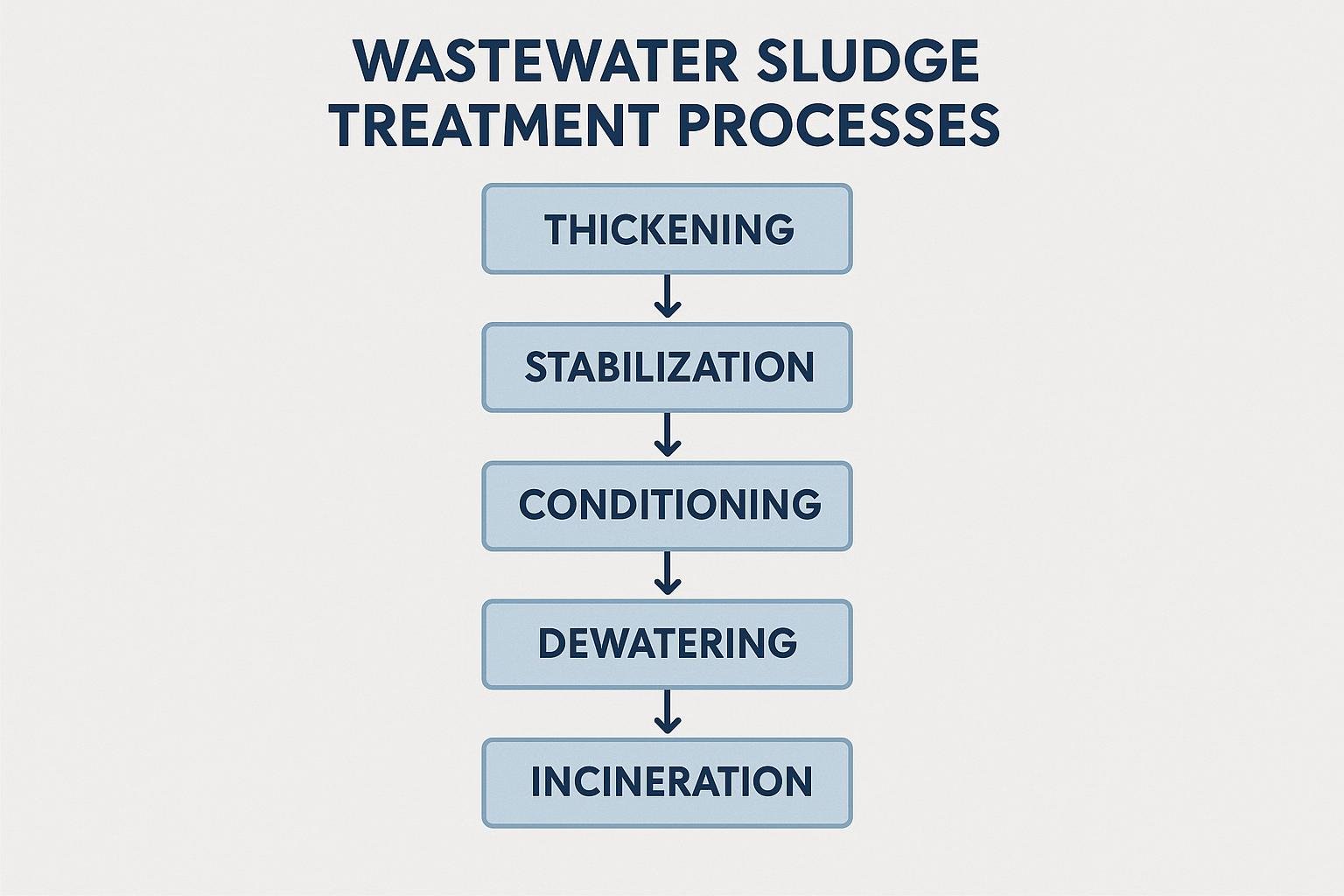
    Wastewater sludge treatment includes steps to thicken, stabilize, dewater, and dispose of or reuse solids from wastewater. Each step has practical methods suited to different plant sizes and sludge characteristics. Effective treatment protects public health, reduces environmental impacts, and can recover energy from organic material. Operators must balance process efficiency, costs, and regulatory compliance in managing sludge treatment. Understanding these processes helps ensure better outcomes in wastewater management systems.

  • Sludge cake quality considerations for disposal and reuse

    April 25th, 2026

    Sludge cake is a form of biosolids that are the byproduct of sewage treatment plants. This material undergoes significant treatment to remove harmful contaminants and is often used for disposal or reuse in various ways. The quality of this sludge cake is vital as it impacts its potential uses, environmental compliance, and overall sustainability.

    Quality Factors of Sludge Cake

    Several factors determine the quality of sludge cake, all of which can impact its disposal or potential reuse. Key considerations include contaminant levels, moisture content, and nutrient composition.

    Contaminant levels in sludge cake must be minimal to ensure safety. Higher levels of heavy metals or pathogens can pose significant health risks, disqualifying the sludge cake from beneficial reuse or requiring more costly and precise disposal methods.

    The moisture content of sludge cake can also significantly impact its handling and end-use. Drier sludge cake is easier to transport and handle, allowing for more cost-effective disposal or reuse.

    Nutrient composition can determine its value as a soil amendment. High nutrient content, specifically nitrogen and phosphorus, can be signifiers of high-quality sludge cake.

    Disposal of Sludge Cake

    Disposal of sludge cake primarily takes place in landfills or is incinerated. Both choices require certain compliance with environmental standards. For landfill disposal, the sludge cake must be adequately dewatered to reduce its volume. Similarly, for incineration, the lower moisture content allows for more efficient energy recovery.

    The biosolids disposal options provided by the Environmental Protection Agency offer guidance on compliant, safe, and sustainable disposal strategies. Importantly, having higher quality sludge cake can reduce disposal costs and environmental impact.

    Reuse of Sludge Cake

    High-quality sludge cake can also be beneficially reused, usually as a soil amendment or for energy recovery. In agriculture, it can add vital nutrients back into the soil, aiding in crop growth. However, it’s the quality of the sludge cake that has profound implications for its safe and effective reuse.

    High nutrient content can increase the fertility of the soil and benefit crop growth, while low contaminant levels help ensure safety for consumers and the environment. Some municipalities also use high-quality sludge cake in energy recovery processes, with the biosolids acting as a form of renewable energy.

    Potential Risks and Challenges

    Regardless of the quality, the disposal or reuse of sludge cake holds certain risks and challenges. These include potential health risks from pathogens or contaminants, regulatory compliance, and public perception. It is essential to monitor the quality of sludge cake continually and adjust treatment methods accordingly.

    The Quincy wastewater treatment plant, for example, faced compliance issues due to higher levels of pathogen content in its sludge cake. Incidents like this underscore the importance of regular testing and quality control.

    Nonetheless, when dealt with properly, the risks of sludge cake disposal or reuse can be mitigated, and the material can serve as a valuable resource rather than a waste product.

    Measuring and Improving Quality

    Routine testing of sludge cake is paramount to assure quality and safety. Standards such as EPA’s 40 CFR Part 503 provide guidelines for sludge cake monitoring and control.

    Operators can modify treatment processes to improve sludge cake quality. Techniques such as thermal hydrolysis and anaerobic digestion can increase sludge cake’s dry solids content and reduce pathogen levels.

    Conclusion

    Sludge cake, a byproduct of wastewater processing plants, poses both challenges and opportunities. Its disposal or reuse heavily relies on its quality. By understanding and continuously monitoring the key factors that impact this quality, operators can make informed decisions about its best purpose—whether landfill disposal, incineration, a soil amendment, or for energy recovery.

    However, making the most out of sludge cake requires a comprehensive understanding of its quality, potential uses, challenges, and continuous attention to regulatory compliance. Knowledge about the topic and ongoing learning and improvement can indeed transform this often overlooked material into a valuable resource.

  • Odor formation and control during sludge processing

    March 25th, 2026

    Sludge processing can result in the formation of unpleasant odors, due to the presence of volatile organic compounds and other foul-smelling substances. This article explores the causes of these malodors, their impacts on the surrounding environment, and effective ways to control or eliminate them in wastewater treatment plants.

    Odor Formation in Sludge Processing

    Formation of odors is an intrinsic part of the sludge digestion process. Biodegradation of organic material, sludge stabilization, and other treatment processes can lead to the production of volatile compounds, including hydrogen sulfide, ammonia, mercaptans, and skatoles. These components are primarily responsible for the unpleasant smells frequently associated with sludge processing.

    Wastewater sludge typically undergoes anaerobic digestion, a process that breaks down organic material in the absence of oxygen. This process, while important for waste treatment, can result in the production of sulfur-containing compounds such as hydrogen sulfide, which can imparts a characteristic “rotten egg” smell.

    Impacts of Odor Emissions

    Chronic exposure to these malodorous substances can cause headaches, nausea, and fatigue among workers in wastewater treatment facilities. The foul odors can also extend to the surrounding environment, leading to nuisance complaints from neighboring residential and commercial areas. Extended odor exposure may potentially contribute to more severe health issues, which underscores the importance of proper odor control.

    The odor exposure guidance by the Centers for Disease Control and Prevention provides more details on the health risks posed by various odor-causing compounds and recommendations for appropriate exposure limits.

    Odor Control Strategies in Sludge Processing

    Effective odor management strategies should address the generation, emission, and dispersion of foul-smelling compounds. This typically involves a combination of process optimization, containment measures, and odor treatment.

    Process Optimization

    Firstly, the sludge treatment process itself can be optimized to reduce the production of volatile compounds. Maintaining appropriate pH levels, temperature conditions, and retention times can help minimize the formation of smell-inducing compounds like hydrogen sulfide.

    Containment Measures

    Enclosing the source of the odor or creating a negative pressure environment are also effective containment measures. Sludge holding and processing tanks can be covered, and buildings housing other odor sources can be sealed to prevent the escape of foul odors.

    Ventilation systems can then be used to capture the contained odors for subsequent odor treatment.

    Odor Treatment

    Finally, odors captured from these sources need to be treated and neutralized. Techniques such as adsorption, biofiltration, and chemical scrubbing are commonly used.

    In adsorption, charcoal or other porous materials are used to physically capture malodorous compounds. Chemical scrubbing uses a scrubber solution to chemically react with the odor molecules and neutralize them. Biofiltration, on the other hand, leverages microorganisms to enzymatically degrade volatile compounds into less malodorous forms.

    According to a publication by the University of Massachusetts, biofiltration has been found to be an effective and eco-friendly option for odor control in wastewater treatment settings.

    Implementing an Odor Control Strategy: Operational Considerations

    While each of these methods has its advantages, the choice of an odor control strategy depends on several factors. These include the specific odors to be addressed, severity of the odor problem, local regulatory requirements, available budget, and possible environmental impacts of the odor control measures.

    Regardless of the chosen method, it’s important to establish a comprehensive odor management plan. Regularly monitoring for changes in odor intensity and character is a critical part of ensuring ongoing effectiveness of odor control measures.

    Concluding Thoughts

    Despite the challenges, effective odor management is a critical aspect of wastewater treatment and sludge processing operations. It helps protect worker health, maintain good relationships with nearby communities, and comply with regulatory requirements. Hence, continual research, monitoring, and optimization of odor control techniques are vital in maintaining sustainable and environmentally-friendly wastewater management practices.

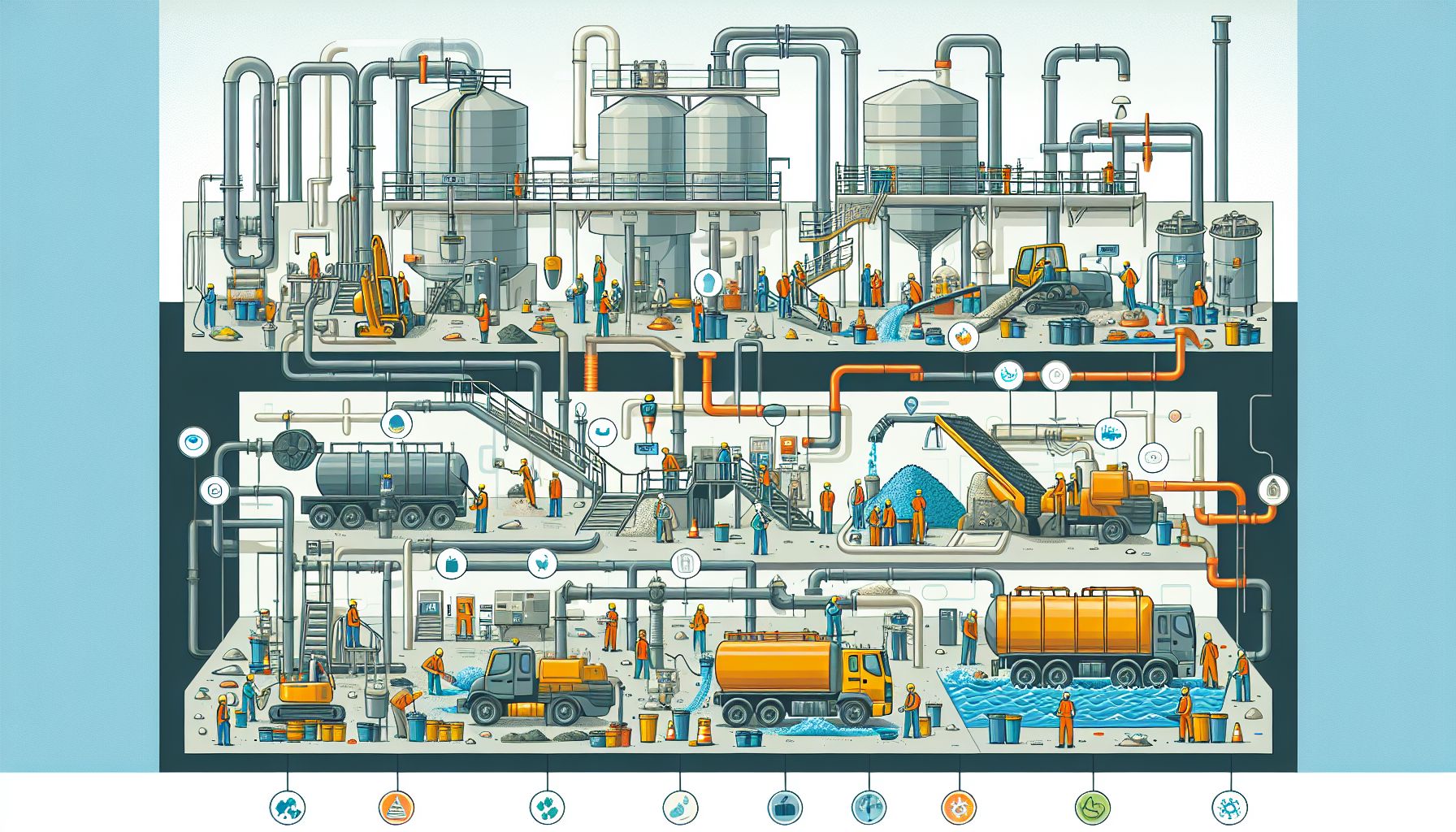
    Sludge Processing

  • Understanding modern sludge dewatering methods and equipment

    February 26th, 2026

    Sludge dewatering is a critical step in the wastewater treatment process and the modern methods available are designed to reduce the water content, volume, and weight of the waste, making it easier to handle and less expensive to transport and store. In treating wastewater, the final step is sludge dewatering, the removal of water from the sludge collected in the treatment process.

    Today, with advances in technology, many modern methods have been developed to make the process more efficient and environmentally friendly. The knowledge of these methods and their corresponding equipment can be vital to wastewater management professionals.

    Overview of Sludge Dewatering

    At the heart of sludge dewatering are two primary objectives. The first is volume reduction, which focuses on lessening the overall size of the sludge. The second is the enhancement of physical characteristics, which includes the diminishing of stickiness and pastiness of the sludge. This makes it suitable for further treatment or disposal.

    Wastewater contains around 99% water and just 1% solid matter. In essence, the purpose of sludge dewatering methods is to extract as much water as possible from the sludge to minimize its volume. The dewatered sludge can then be processed further or directly disposed of.

    Modern Dewatering Methods and Equipment

    There are several modern techniques utilized in the sludge dewatering process. Each of these techniques employs a specific type of equipment, all with their unique benefits and drawbacks.

    Centrifugation

    Centrifugation is a method where dense components of the waste are separated from the watery parts resulted by using the centrifugal force. The equipment used is typically a decanter centrifuge, which with its high rotational speed, separates the solid waste from the water. Decanter centrifuges are preferred for their relatively low operational cost and ease of automation, but they do consume more energy than other methods.

    Filter Presses

    A Filter press is a piece of equipment that uses pressure and a series of filters to remove water from the sludge. The sludge is pumped into a closed container where it is pressed between numerous cloths, or filters. Water is squeezed out of the sludge and captured, leaving behind solid material. Filter presses are appreciated for their effectiveness and high-quality output, but they can be time-consuming and require regular maintenance.

    Belt Presses

    A belt press works by rolling the sludge between two belts under high pressure to squeeze out the water. This equipment has the advantage of continuous operation and low power consumption. However, sludges with high oil content may damage the belts, leading to more frequent replacements.

    Screw Press

    A screw press uses a screw mechanism to press the sludge against a screen, forcing out the water. The solid waste is then discharged at the other end. This type of equipment is often chosen for it’s easy to use and maintain and has low noise and vibration levels. However, screw presses can have high power requirements and may struggle with high-volume operations.

    Key Considerations for Choosing Dewatering Methods and Equipment

    The selection process consists of various factors. These include the type of sludge to be treated, the volume of sludge, operational costs, and environmental considerations.

    While it is pivotal to weight cost-effectiveness, it’s also crucial to think about the environmental impact. Less energy-consuming methods may prove more sustainable, contributing to a greener footprint for the wastewater treatment plant.

    The Environmental Protection Agency offers comprehensive information on sludge treatment, which can provide a deeper understanding of these considerations.

    Furthermore, the dewatering equipment should also be scrutinized for reliability, durability, and ease of maintenance. The University of California, Davis, provides an in-depth understanding of wastewater treatment technologies, including sludge dewatering.

    To Sum Up

    The right sludge dewatering method and equipment can make a significant difference in both the operation efficiency and environmental impact of a wastewater treatment facility. Whether using centrifugation, filter presses, belt presses, or screw presses, understanding the merits and limitations of each can help in making an informed decision.

    Bearing in mind environmental impacts, operational costs, and the type of sludge to be treated, wastewater management professionals can optimize their processes. With a strong grasp of modern sludge dewatering methods and equipment, it’s possible to achieve efficient and environmentally friendly wastewater treatment.

  • Independent reference on sludge and solids management

    February 4th, 2026

    Sludge and solids management is an essential aspect in wastewater treatment facilities. It’s a critical component of maintaining a sustainable environment, upholding public health, and abiding by the environmental regulations. This article provides an independent reference on sludge and solids management, focusing on the approaches, technologies and considerations involved in the process.

    What is Sludge?

    Sludge is a residual semi-solid material left as a by-product during sewage treatment or industrial wastewater processes. It often contains significant amounts of heavy metals, toxins, and microorganisms, all of which require careful management. Proper handling is of paramount importance due to potential health hazards and environmental implications.

    Importance of Sludge and Solids Management

    Failure to manage sludge and solid waste sufficiently can have far-reaching impacts. Inadequate management leads to harmful contaminants finding their way into water bodies and soils, causing environmental degradation and public health risks. Proper sludge management helps stabilize these waste materials, reducing their amount and making them safe for disposal or use as soil amendments.

    Sludge Treatment Processes

    The primary processes involved in sludge management are thickening, dewatering, and stabilization. Thickening reduces the volume of the sludge, making subsequent processes more efficient. Dewatering further reduces the sludge’s water content, thereby reducing the volume and weight of the sludge that needs to be handled. Stabilization, on the other hand, includes processes that break down the organic material in the sludge, reduce pathogens, and make the sludge safe for disposal or beneficial use. WaterandWastewater.com offers a wealth of resources on these processes and more.

    Sludge Management

    Advanced Technologies in Sludge Management

    Technology plays a vital role in sludge management. Traditional methods have given way to advanced technologies that are more efficient, cost-effective, and environmentally friendly. For example, Thermal Hydrolysis Process (THP) and anaerobic digestion are processes that allow for the extraction of energy from sludge, essentially creating a renewable source of power from waste.

    Regulatory Considerations

    The environmental and health threats posed by sludge and solid waste have led to strict regulatory controls. Wastewater treatment plants must adhere to regulations set forth by the Environmental Protection Agency (EPA) and local government bodies. The EPA has specific rules regarding the disposal of sewage sludge, as delineated in The Code of Federal Regulations (40 CFR Part 503). These guidelines specify allowable mechanisms, including landfills, surface disposal, and incineration, and have provisions for land application.

    Challenges in Sludge Management

    Despite advancements, sludge management still faces a series of challenges. Some of the issues include a high dependence on fossil fuels, high cost of operation and maintenance, and dealing with the by-products of the processes, including gases associated with greenhouse effects.

    The Future of Sludge Management

    Future directions in sludge management are focusing on sustainability, resource recovery, and cost-effectiveness. Research is leaning more towards transforming waste into resources, such as generating energy from sludge or producing bio-products. A study conducted by The National Center for Biotechnology Information points to this transition towards sustainable practices.

    In conclusion, sludge and solids management is an intricate part of wastewater handling and is crucial to the preservation of the environment. It involves a variety of processes, a range of technologies, stringent regulations, and perennial challenges. By harnessing advancements in the field, treatment plants can ensure efficient sludge management while staying on the path of sustainability.

  • Energy tradeoffs between common sludge processing methods

    January 16th, 2026

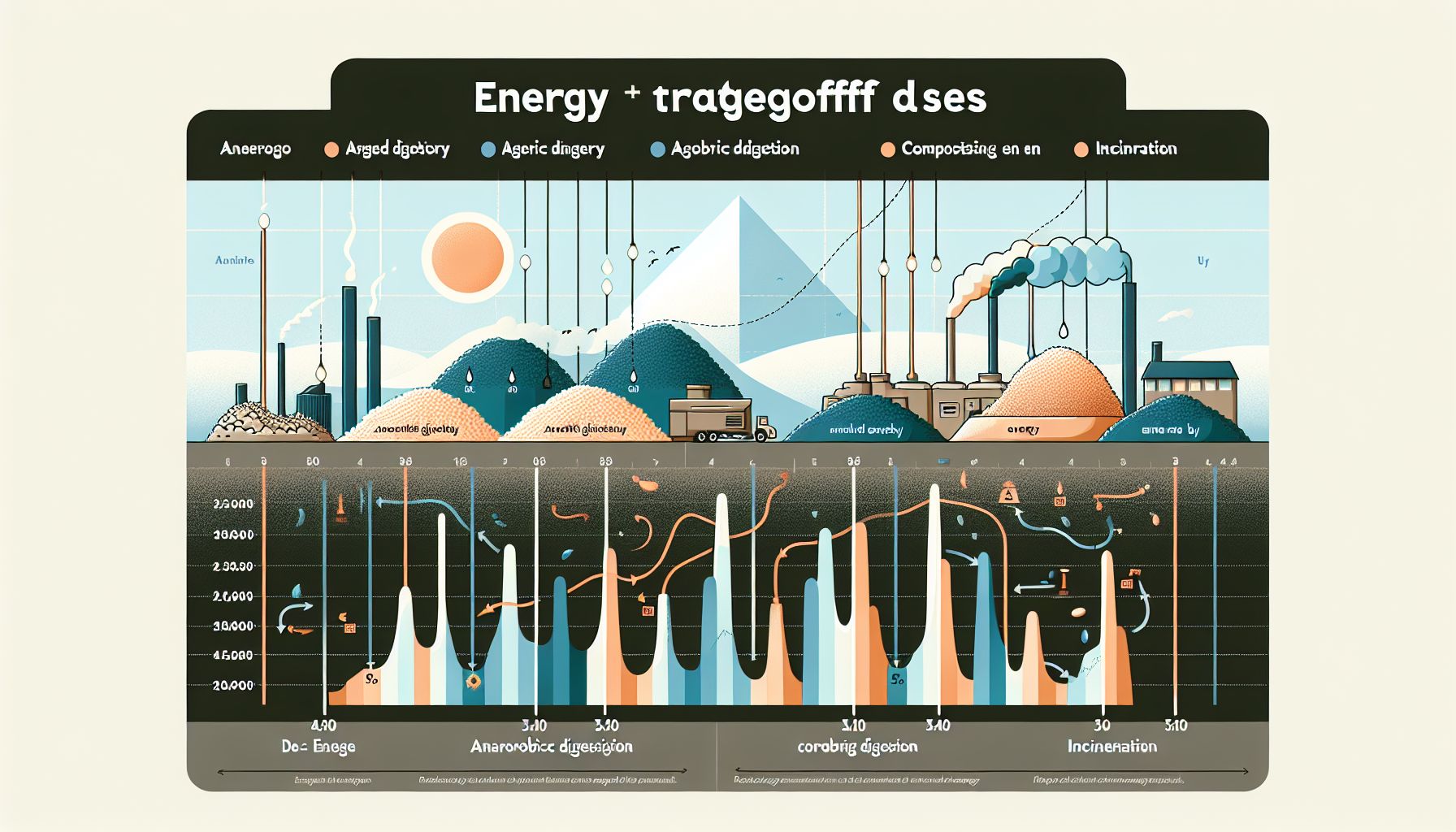
    The management of wastewater sludge presents a range of challenges and opportunities for industries. Though often seen as waste, sludge has potential energy content that can be harnessed through various processing methods. However, these methods also demonstrate varying levels of energy efficiency and environmental impacts. This article delves into the energy trade-offs involved in the most common sludge processing methods: Anaerobic digestion, Incineration, and Thermal drying.

    Anaerobic Digestion

    Anaerobic digestion is a process where microorganisms decompose organic matter in the absence of oxygen. Its main products are biogas – a mixture of methane and carbon dioxide – and a nutrient-rich sludge known as digestate.

    The primary advantage of anaerobic digestion is it provides a renewable energy source in the form of biogas, which can be used for heat, power, or converted into other forms of energy. It also results in significantly reduced sludge volumes and the production of safe biosolids for agricultural use.

    However, anaerobic digestion requires substantial energy input to maintain optimal operating conditions – typically mesophilic (30-38°C) or thermophilic (49-60°C). Energy is also needed for mixing and pumping digesters.

    A comprehensive industrial energy efficiency guidance can help industries optimize both energy consumption and gas production in this process.

    Incineration

    Incineration involves the burning of sludge at high temperatures (850-1200°C), reducing it to ash, flue gases, and heat. Some of this heat can be captured and utilized to produce steam for generating electricity, thereby making the incineration process more energy efficient.

    Incineration provides an excellent solution for sludge disposal as it reduces the sludge volume by almost 90%. The resulting ash can be reused in the construction sector.

    Nonetheless, incineration is energy-intensive and requires appropriate air pollution control systems to manage harmful emissions. This means that while the process can generate energy, its overall energy balance may still be negative.

    Thermal Drying

    Thermal drying is a sludge treatment process where heat is applied to the sludge to remove water, reducing its volume and weight, and essentially turning it into a fuel source.

    Thermal drying allows for the complete sanitization of the sludge, making it possible to be used as a soil conditioner or a source of renewable energy.

    Alongside these benefits, one has to consider that thermal drying is also an energy-intensive process. A significant amount of heat is required to evaporate the water content in the sludge. Apart from this, moisture reabsorption can occur during storage and cooling, leading to potential energy losses.

    A study by the Environmental Protection Agency provided more insight into such energy trade-offs faced in the thermal drying process.

    Wrap Up

    The final choice for a sludge treatment process greatly depends on a host of factors such as available energy sources, potential use of by-products, economic viability, environmental regulations, and public acceptance.

    Furthermore, developments in technology are opening new possibilities for sludge treatment and energy recovery – providing us with options and challenges that enrich our understanding of this critical issue.

    As noted by the Department of Energy, it is the continued research in the field of waste-to-energy that will eventually steer us towards establishing the most energy-efficient practices for sludge processing.

  • Polymer selection errors that reduce dewatering performance

    January 3rd, 2026

    Dewatering involves the removal of water from sludge to minimize its volume, thereby reducing the cost and challenges associated with handling and disposal. While various methods are available for dewatering, they often require the use of polymers to enhance the separation of water from solids. However, improper selection or misuse of these polymers can significantly reduce the efficiency of the dewatering process.

    The Importance of Polymer Selection

    The proper selection of polymers is crucial in the dewatering process. Polymers improve the force of attraction between particles allowing for water to be separated effectively and efficiently. Their chemical properties, such as charge density and molecular weight, must be compatible with the sludge’s characteristics. A mismatch could reduce the efficiency of the dewatering process.

    The sludge varies in characteristic from one wastewater treatment plant to another, depending on the raw input and the treatment process. For example, sludge resulting from biological treatment processes is different from that from physical-chemical treatment. Therefore, polymers that work well with sludge from one plant might fail to yield the same results with sludge from another plant.

    Improper polymer selection could lead to insufficient dewatering, resulting in higher disposal costs due to the higher volume of resultant sludge. It could also cause process complications like increased wear and tear of dewatering equipment due to the high moisture content.

    Common Errors in Polymer Selection

    One of the most common errors in polymer selection is not considering the type of sludge. Different types of sludge react differently to polymers. Nonionic polymers are typically used for less complex sludge, while cationic or anionic polymers are required for sludge with more complex solids. Using the wrong type can lead to the failure of the dewatering process.

    Another common mistake is selecting a polymer based solely on its cost. While cost is an important consideration, focusing solely on it may lead to choosing a polymer that is not suitable for the specific sludge characteristics, leading to inefficient dewatering.

    The correct dosage of polymer is as well critical. Too little polymer will result in poor separation, while too much can lead to an overdose scenario where the excess polymer forms a layer around the sludge particles, preventing the release of water, thus hampering the dewatering process.

    Developing a Polymer Testing Program

    Given the importance of proper polymer selection and use in the dewatering process, wastewater treatment plants should adopt a systematic polymer testing process. This should involve jar testing to determine the appropriate polymer type and dosage for the specific sludge.

    The EPA recommends the establishment of ongoing sludge treatment research that includes polymer testing as part of the process to enhance the efficiency of the dewatering process and reduce related costs. This not only allows plants to identify the most effective polymer for their specific sludge, but also enables them to adjust the polymer type and dosage as sludge characteristics change.

    Conclusion

    The incorrect selection and use of polymers can lead to significant decreases in the efficiency of sludge dewatering. By understanding the importance of polymer characteristics and the effects of selecting unsuitable polymers or using the wrong doses, plants can improve their dewatering process. A systematic polymer testing program, such as the one recommended by the EPA, can greatly aid in improving the efficiency of the dewatering process, reduce costs and minimize potential complications.

    For more information on polymer selection and its importance in wastewater treatment, visit the Water Environment Federation.

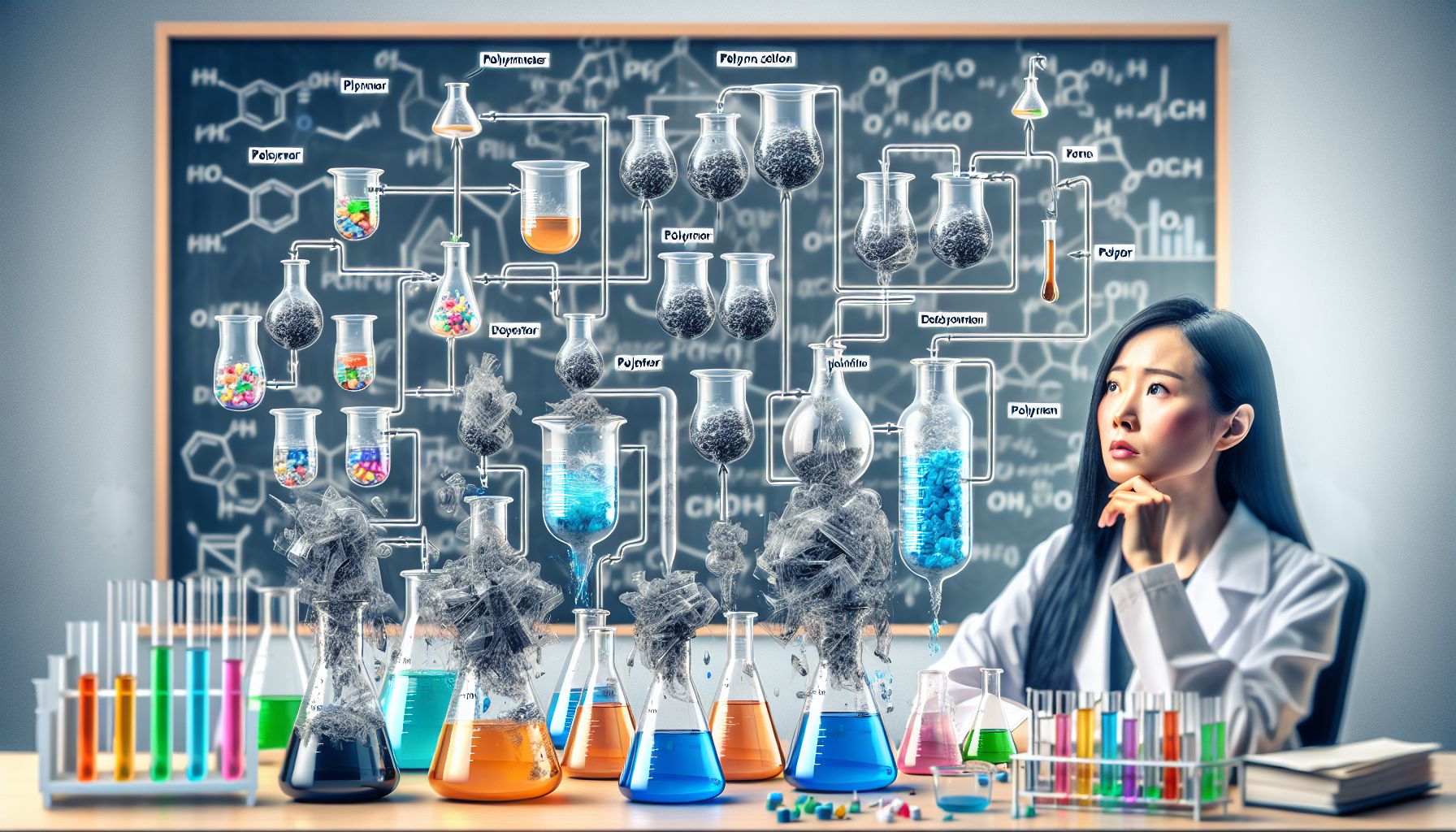
    Polymer